
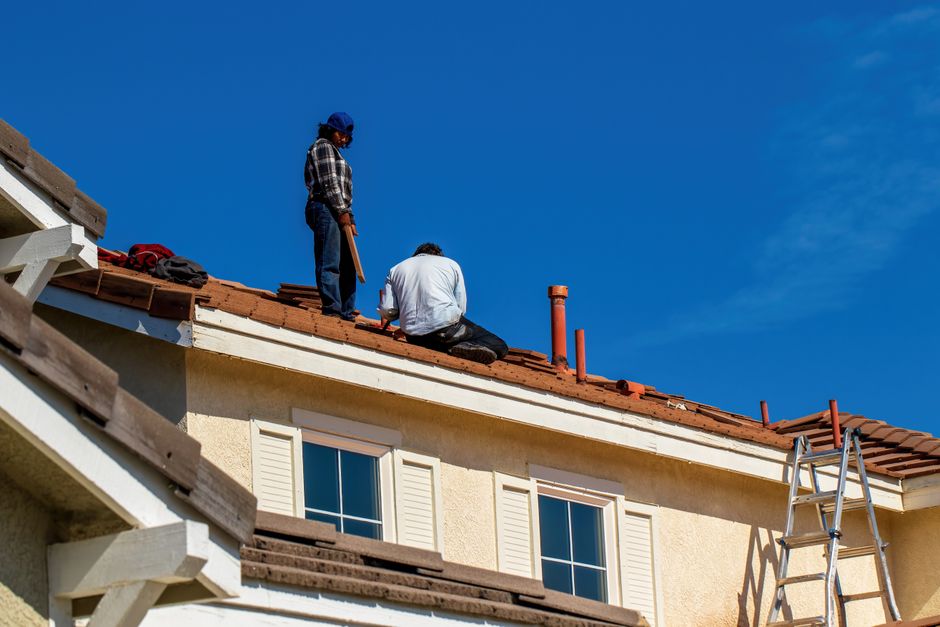
A cosmetic damage exclusion on roof insurance in Arizona means your policy will not pay for storm damage that changes how the roof looks but does not affect how it keeps water out. Dents in metal panels, surface marks on foam and minor scuffs on tile or shingles can all be treated as cosmetic. Damage that causes leaks, cracks, punctures, lifted seams or lost granules that expose the mat is usually considered functional and may still be covered.
These exclusions have become far more common in 2026, and homeowners often discover theirs only after a claim is denied. Here is how the exclusion works, how insurers separate cosmetic from functional damage, and what you can do before and after a storm.
What is a cosmetic damage exclusion?
A cosmetic damage exclusion is an endorsement or policy provision that removes coverage for roof damage that affects appearance only. The idea is to stop paying for full roof replacements when a roof is still watertight. For homeowners, the problem is where the line gets drawn, because some damage that looks cosmetic today can shorten a roof’s life or become a leak later.
These exclusions usually appear alongside other roof-related changes, such as separate wind and hail deductibles or actual cash value settlement for older roofs. Our guide on ACV vs. replacement cost roof coverage covers that second change in detail.
How do insurers tell cosmetic damage from functional damage?
| Roof type | Often treated as cosmetic | Often treated as functional |
|---|---|---|
| Metal | Dents with no paint break or seam distortion | Punctures, split seams, loosened fasteners, cracked coating that exposes metal |
| Asphalt shingle | Minor scuffs, light granule displacement | Fractured mats, lost seal, torn or missing shingles, bruising that exposes asphalt |
| Concrete or clay tile | Surface chips, color scuffs | Cracked or broken tile, slipped tile, damaged underlayment beneath |
| Foam (SPF) | Shallow marks in the coating | Punctures through coating into foam, open cells that can take on water |
| Flat membrane | Surface scuffs with intact membrane | Punctures, seam weakness, damage that affects drainage or lets water in |
The pattern is consistent: if the damage compromises the roof’s ability to shed water, or is likely to, it leans functional. If the roof performs the same as before, it leans cosmetic.
Want a professional opinion on whether your storm damage is functional?
Why does this matter for Arizona roofs in particular?
Arizona sees wind-driven debris in monsoon season and occasional hail, and its roofs already work under extreme heat and UV. Damage that starts cosmetic can turn functional faster here:
- A dent that cracks a metal panel’s paint lets UV and moisture reach the metal.
- A bruised shingle can lose granules faster in the sun. Our article on granule loss on shingles explains why that matters.
- A shallow gouge in a foam roof’s coating exposes foam to UV if it is not recoated, which is how many foam roof coating problems begin.
That is why a prompt professional inspection after a storm is valuable. It documents the damage before sun and time make the cause harder to prove.
What should you do before the next storm?
- Read your policy and endorsements for the words “cosmetic,” “appearance” or “functional damage.”
- Ask your agent whether the exclusion applies to all roof types or only metal, and whether you can remove it for a higher premium.
- Photograph your roof or keep a recent inspection report, so pre-existing marks are not confused with new damage.
- Fix small problems early so they are not mixed into a storm claim later.
What can you do if a claim is denied as cosmetic?
- Ask for the denial in writing, including the specific policy language relied on.
- Get an independent roofer’s inspection documenting any functional damage: cracks, punctures, seam separation, water entry or damaged underlayment.
- Request a re-inspection, and ask that your roofer be present.
- Use your insurer’s internal appeal process and, if needed, the Arizona Department of Insurance and Financial Institutions consumer complaint process.
Even when a claim is denied, repairing functional damage quickly protects the roof. We handle tile roof repair, metal roof repair and other storm repairs across the Valley.
What evidence helps show damage is functional?
When a claim hinges on the cosmetic-versus-functional question, specifics win. A strong inspection record includes:
- Close-up photos with scale, such as a tape measure beside a crack or puncture, so the size is clear.
- Cross-section evidence where possible: a lifted tile showing a torn underlayment below, or a shingle lifted to show a fractured mat.
- Moisture evidence, such as wet decking, attic staining under the damaged area or moisture meter readings.
- Before photos from a prior inspection showing the area was intact.
- A written explanation of how the damage affects water shedding or roof life, in plain language.
Adjusters respond to evidence, not adjectives. A report that says “hail damage throughout” is easy to dispute. A report that shows six cracked tiles on the west slope with torn underlayment beneath two of them is much harder to call cosmetic. It also helps to separate what you are not claiming. An honest line such as “surface scuffs on the north slope appear cosmetic” makes the rest of the report more credible.
Related reading: Class 4 Impact-Resistant Shingles: Worth It in Arizona?
Related reading: How to Appeal a Denied Roof Insurance Claim in Arizona
Frequently asked questions
What does cosmetic damage mean on a roof?
Cosmetic damage changes the roof’s appearance, such as dents or scuffs, without affecting its ability to keep water out or its expected performance.
Is hail damage to a metal roof considered cosmetic?
Dents without punctures, paint breaks or seam damage are often treated as cosmetic under these exclusions. Punctures, split seams or loosened fasteners are usually functional.
How do I know if my policy has a cosmetic damage exclusion?
Check your policy’s endorsements for language about cosmetic or appearance-only damage, or ask your agent directly whether one applies to your roof.
Can I remove a cosmetic damage exclusion?
Some insurers let you remove it for an added premium, while others require it. Ask your agent what options are available at renewal.
Can cosmetic roof damage become functional later?
Yes. Surface damage can let UV, heat and moisture attack the material underneath, especially in Arizona. Documenting it promptly helps if it progresses.
What if my adjuster calls damage cosmetic but my roof leaks?
A leak is strong evidence of functional damage. Get a roofer’s inspection documenting where the water enters and ask for a re-inspection or appeal.
Does a cosmetic exclusion affect my deductible?
The exclusion affects what is covered, not the deductible itself. Your policy may also have a separate wind or hail deductible, so review both.
Cosmetic damage exclusions are here to stay, so the best defense is knowing your policy and having clear roof documentation. If your roof took a hit this monsoon season and you want an honest answer on what is cosmetic and what is functional, call Tempe Roofing Repair at (877) 689-3492 or contact us online.