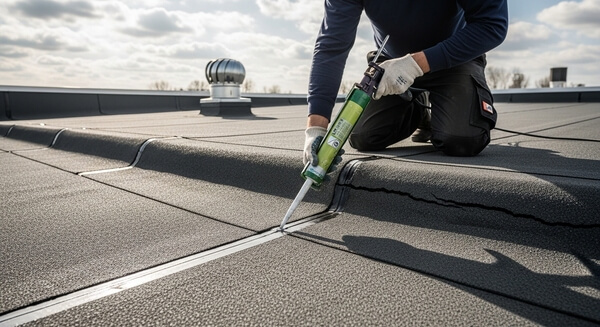
Metal Roof Repair in Tempe, AZ
Fastener replacement, seam sealing, and panel repair for standing-seam and corrugated metal roofs across the East Valley.
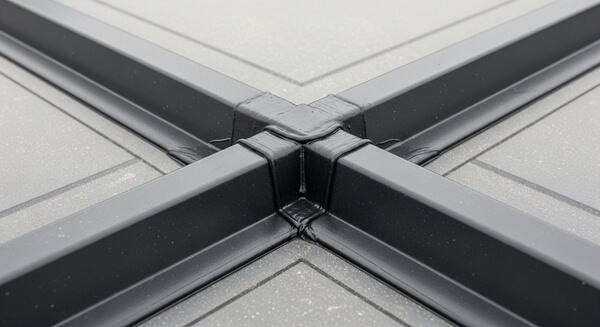
Metal roofs fail at the fasteners and seams, not the panels
Metal roofing holds up well against Arizona sun, but the constant heat cycling — expanding all day, contracting overnight — works fasteners loose over the years and stresses seams between panels. Rubber washers under older screws dry out and crack, and that's usually where a leak starts, not from the metal itself failing.
Roofers in our network replace worn fasteners, reseal seams, and repair or replace individual panels with rust or impact damage — matched to your existing panel profile wherever possible. Read more about how we work or check which East Valley cities we serve.
Get a metal roof quoteWhat to check on a metal roof
Small issues here are cheap to fix — until they're not.
Rust or corrosion spots
Discoloration or texture change on panels signals the protective coating has broken down.
Loose or popped fasteners
Screws sitting proud of the panel surface are no longer sealing properly.
Leak after high wind
A new leak following a windy monsoon night often points to a stressed seam.
Dented or dinged panels
Hail impact can crack protective coating even without piercing the panel.
From first call to a resealed roof
Four steps, no surprises along the way.
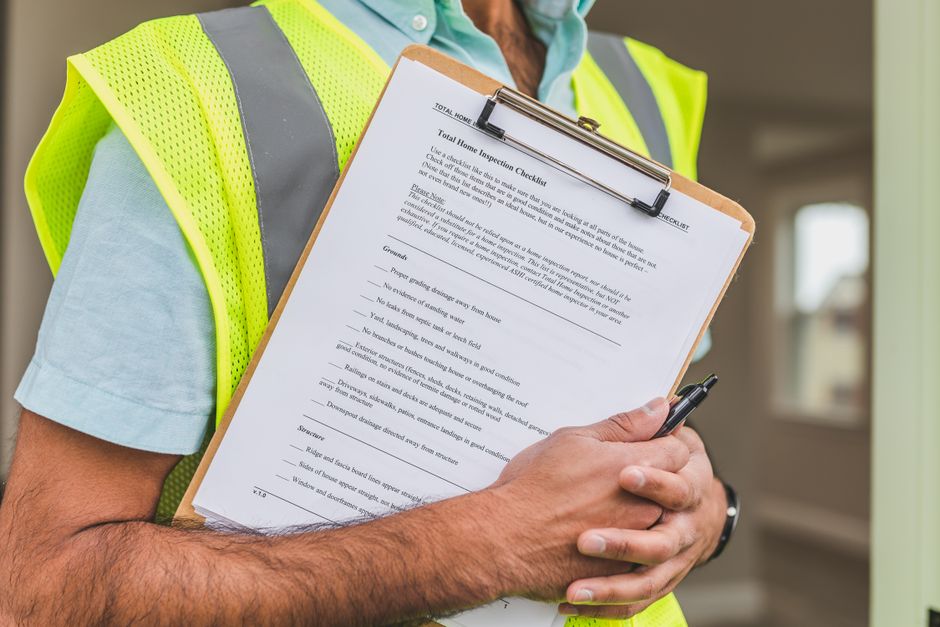
Free Inspection
A local roofer walks the roof, documents damage with photos, and explains what they see.
Written Estimate
A clear, itemized quote — no vague line items, no pressure to sign today.
Repair
The contractor schedules the work directly with you and handles the job from start to finish.
Final Inspection
Ask the roofer to walk the finished roof with you before the job is called done.

Other ways we can help
Metal roof repair cost in Tempe, AZ
These are typical ranges for planning. Access, roof pitch, panel profile and how much rust is under the surface change the number, so you get a written price after the inspection, before any work starts.
| Repair | What it involves | Typical range |
|---|---|---|
| Re-screw an exposed-fastener roof | Replace dried-out screws and washers across the roof, sized up where holes have wallowed out | About $1 to $3 per sq ft |
| Seam or panel-lap reseal | Clean the lap, apply butyl tape or sealant, refasten the section | $300 to $1,200 |
| Replace one or two panels | Match the panel profile and gauge, swap the damaged panels, reseal the laps | $400 to $1,500 |
| Flashing, ridge cap or pipe boot | Replace rusted flashing, loose ridge cap or a cracked boot around a vent | $250 to $900 |
| Rust treatment and roof coating | Treat rust, seal seams and fasteners, apply a reflective coating over the whole roof | About $2 to $5 per sq ft |
Standing seam vs. exposed-fastener metal roofs: where each one leaks
Most metal roofs in Tempe fall into one of these groups, and each one has its own weak spots. Knowing which system you have points straight to where the leak is likely coming from.
| Roof system | Where it usually leaks | Usual repair |
|---|---|---|
| Exposed-fastener (corrugated, R-panel, PBR) | Screw washers that dry out and crack, and the side and end laps between panels | Re-screw with new washered fasteners and reseal the laps |
| Standing seam | Seam ends, ridge and wall trim, and pipe or swamp cooler penetrations | Reseal or re-crimp seams, replace trim closures and boots |
| Stone-coated steel | Chipped coating at hips and valleys, and flashing at walls | Touch up the coating, reflash walls and valleys |
| Metal on patios and carports | Lap seams and the connection where the cover meets the house | Reseal laps, reflash the ledger connection |
Why metal roofs leak in the Arizona heat
- Thermal movement. A metal roof can swing more than 100 degrees between a summer afternoon and night. Panels grow and shrink every day, which slowly loosens screws and opens laps.
- UV on rubber washers. The neoprene washer under each screw is what actually seals the hole. Years of sun dry it out until it cracks and lets water follow the screw in.
- Roof penetrations. Swamp coolers, AC lines and vent pipes all cut through the panel. The sealant around them fails long before the metal does. See swamp cooler leak points.
- Mixed metals. Copper or the wrong type of fastener touching steel panels causes galvanic corrosion, which shows up as rust spots in a line or around screws.
- Monsoon wind. Gusts get under panel edges and trim at the eaves and ridge. A new leak right after a windy storm usually means an edge or seam was lifted.
- Low pitch and ponding. On low-slope metal roofs, dust and debris dam up water at laps, which keeps seams wet longer than they were built for.
Can my metal roof be repaired, or does it need replacement?
Most metal roofs in Tempe can be repaired. Panels themselves often outlast the screws, sealants and flashings that hold the roof together, so a re-screw and reseal can add many years to a roof that looks tired.
Replacement starts to make sense when rust has eaten through panels in several areas, when the roof has been patched many times and still leaks, or when the panels are too thin or damaged to hold new fasteners. Our guide to metal roof repair vs. replacement walks through the decision, and the metal roof replacement page covers what a new system involves.
We connect you with roofers who repair metal roofs on homes, patios and small commercial buildings across Tempe, Mesa, Chandler and Gilbert.
Metal roof questions
Why do metal roof fasteners fail in Arizona?
Constant heat expansion and contraction gradually works fasteners loose, and rubber washers on older screws dry out and crack in the sun, opening a path for water.
Can a rusted panel be repaired instead of replaced?
Surface rust and small corrosion spots can often be treated and sealed. Panels with structural rust-through typically need to be replaced section by section.
Do you work on standing-seam and corrugated metal both?
Yes, both systems are covered — standing-seam panel and seam work, and corrugated panel and fastener repair.
Does a metal roof really make a Tempe home hotter or noisier?
Not with a properly installed system. A metal roof over solid decking with the right underlayment doesn't sound noticeably different from tile or shingle during monsoon rain — the deck absorbs most of the sound, not the panel. On heat, reflective metal roofing actually rejects more solar heat than asphalt shingle, which is why it's a popular cool-roof option here. The myths mostly come from older, thin metal panels installed directly over open framing without proper decking or insulation underneath.
How much does metal roof repair cost in Tempe?
Small repairs such as resealing a seam or replacing a boot often run a few hundred dollars. Re-screwing a whole exposed-fastener roof is usually priced by the square foot, roughly $1 to $3. You get a written price after a free inspection.
How often do metal roof screws need to be replaced?
On exposed-fastener roofs in Arizona, the rubber washers often start to crack after roughly 10 to 20 years of sun. Screws that are backing out or have cracked washers should be replaced with new, slightly larger fasteners.
Can a coating fix a leaking metal roof?
A coating can extend the life of a metal roof, but only after the leaks are fixed. Loose screws, open seams and rust need to be repaired first, or the coating will crack at the same spots.
Spotted rust or a loose panel?
Small metal roof issues are cheap to fix early — get it looked at.