Roof Insulation & Coating in Tempe, AZ
Reflective coatings and insulation upgrades that cut summer cooling costs and slow how fast the roof surface ages.
Your roof works hardest in the heat you're paying to keep out
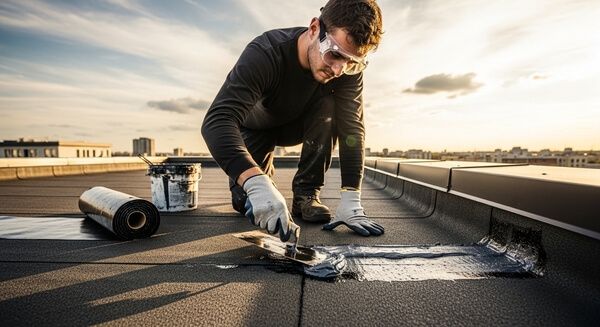
In Arizona, a roof's biggest job in summer isn't shedding water — it's keeping heat from pouring into the attic. A reflective coating bounces sunlight instead of absorbing it, and proper insulation slows the heat that does get through, which together take real strain off your cooling system.
Roofers in our network apply silicone and acrylic reflective coatings on flat and foam roofs — silicone for roofs with ponding water or heavy sun exposure, acrylic where cost matters more and drainage is good — and can evaluate attic insulation levels during an inspection. Read more about how we work or check which East Valley cities we serve. It's one of the few roofing upgrades that pays you back every single month, not just when something breaks.
Get a coating quoteWhen your roof needs a coating refresh
Worth checking before another summer of high AC bills.
Rising summer cooling bills
A jump in AC costs with no other explanation often traces back to roof heat gain.
Roof surface cracking from UV
Sun-baked, brittle coating on flat or foam roofs needs refreshing before it fails.
Want to extend roof life
Coating a structurally sound roof postpones the cost of a full replacement.
Hot upper-floor rooms
Rooms directly under the roof that run hotter than the rest of the house point to poor attic insulation.
From first call to a cooler roof
Four steps, no surprises along the way.
Free Inspection
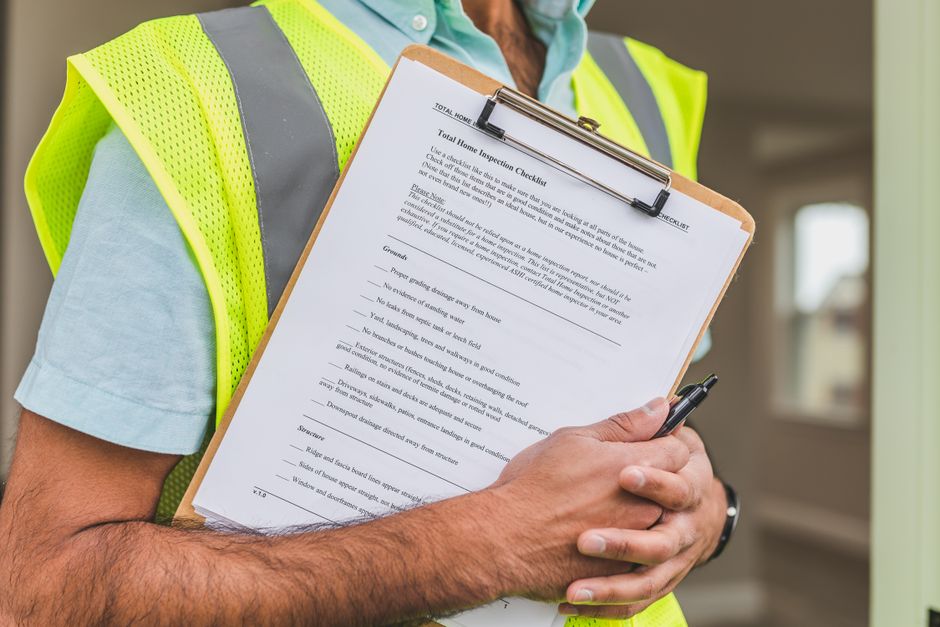
A local roofer walks the roof, documents damage with photos, and explains what they see.
Written Estimate
A clear, itemized quote — no vague line items, no pressure to sign today.
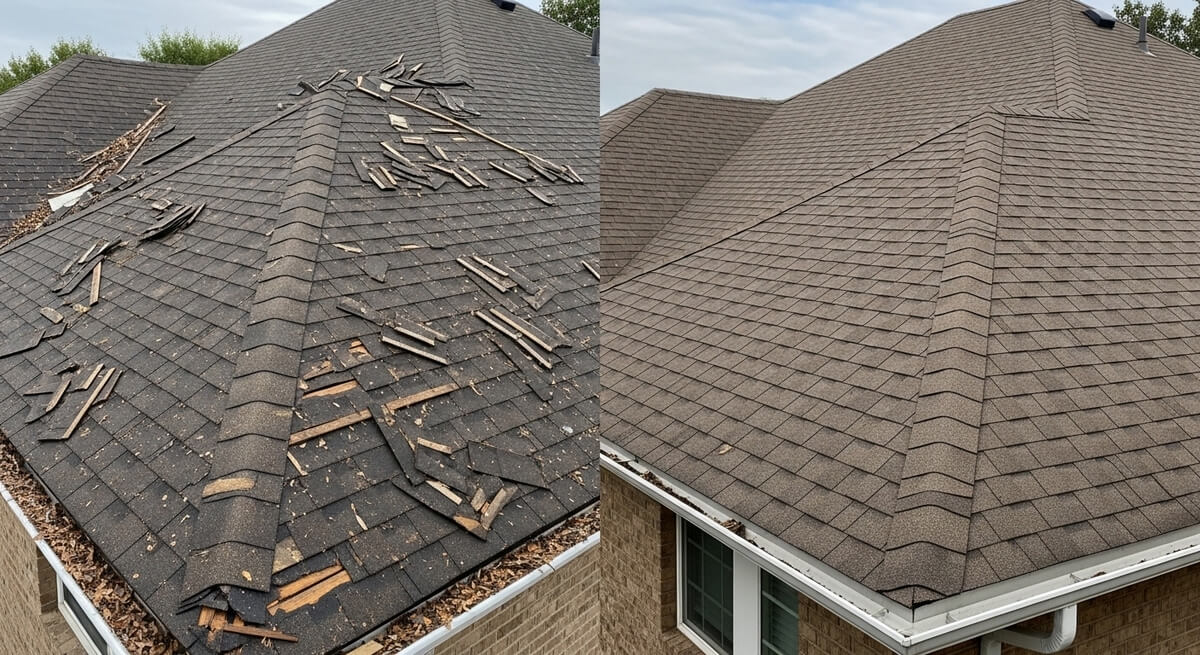
Coating Applied
The contractor schedules the work directly with you and handles the job from start to finish.
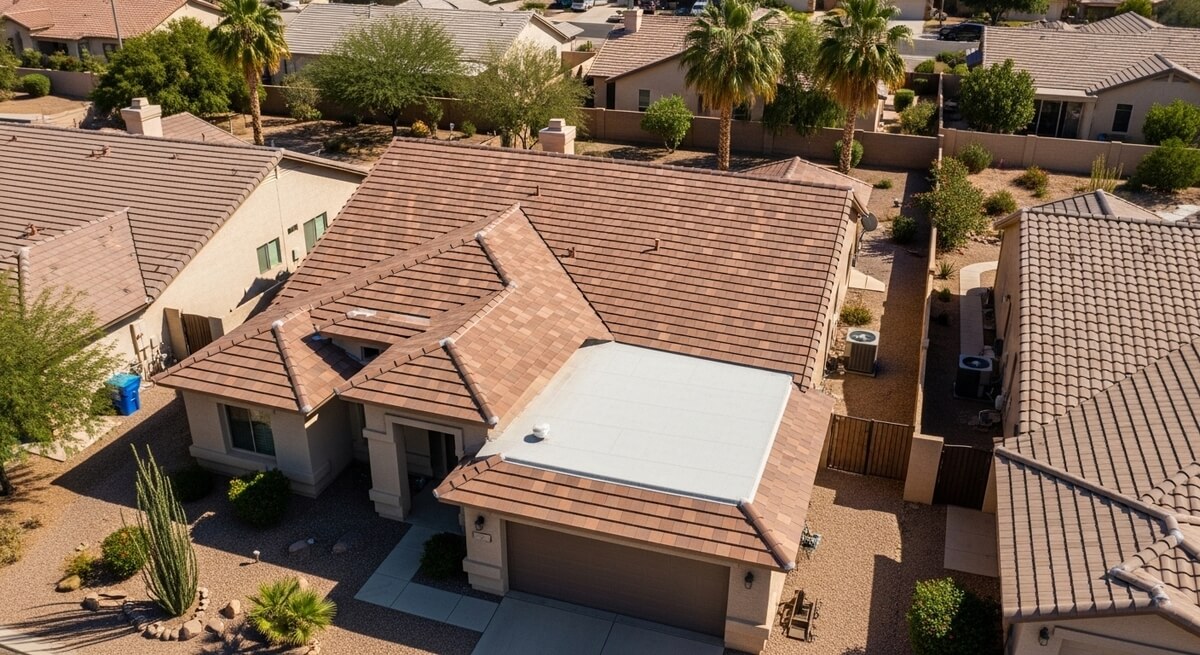
Final Inspection
Ask the roofer to walk the finished roof with you before the job is called done.

Other ways we can help
Silicone, acrylic or elastomeric: which roof coating fits?
The right coating depends on the roof, the drainage and the budget. Our guide to silicone vs. acrylic vs. elastomeric coatings goes deeper.
| Coating | Best for | What to know |
|---|---|---|
| Silicone | Flat and foam roofs with some ponding water, very high sun exposure | Handles standing water and UV well. New coats only stick to silicone, so future recoats must be silicone too |
| Acrylic | Well-drained foam and low-slope roofs on a budget | Lower cost and easy to recoat, but breaks down where water ponds |
| Elastomeric (general term) | Roofs that move a lot with heat | Stretchy coatings that flex with daily expansion. Many acrylics and silicones are elastomeric |
| Reflective coating on metal | Metal roofs with rust spots or tired paint | Treat rust and seal fasteners first, then coat |
Roof coating cost in Tempe, AZ
These are typical ranges for planning. Wet areas that have to be cut out first, roof size and access change the number, and you get it in writing before work starts.
| Job | What it involves | Typical range |
|---|---|---|
| Reflective roof coating | Clean, repair, prime and coat a sound flat, foam or metal roof | About $2 to $5 per sq ft |
| Foam roof recoat | Repair blisters and damage, then recoat the foam | Priced at inspection. See foam recoating cost and timeline |
| Attic insulation top-up | Add blown-in insulation to reach the recommended depth | Priced by attic size and current depth |
| Radiant barrier | Reflective foil or spray under the roof deck | Priced by attic size and access |
Attic insulation and radiant barriers in Tempe
A coating keeps heat off the roof surface, and attic insulation keeps the heat that gets through out of the living space. For Tempe, which sits in a hot climate zone, the U.S. Department of Energy recommends attic insulation in roughly the R-30 to R-60 range. Many older Tempe homes have much less, or insulation that has settled or been disturbed by pests and AC work.
A radiant barrier reflects the sun's radiant heat at the underside of the roof deck. It is often the better next step when insulation depth is already good. Both can be checked during an inspection. See attic insulation R-values in Arizona and does a radiant barrier work in Arizona?.
Cool roof and insulation rebates
SRP has offered rebates for qualifying cool roof coatings and attic insulation for its customers. Rebate amounts, product lists and rules change, so check the current program terms with SRP before you choose a product, and keep the product data sheet and invoice for the application.
Our guide to cool roof rebates in Arizona explains how these programs usually work.
Coating and insulation guides
Insulation & coating questions
How much can a reflective coating actually save on cooling costs?
Results vary by roof and home, but reflective coatings meaningfully reduce heat transfer into the attic, which is one of the biggest drivers of summer cooling load in Arizona homes.
Is a coating a substitute for replacing an old roof?
A coating extends the life of a roof that's still structurally sound — it's not a fix for a roof with widespread damage or a failing deck. The inspection tells you which situation you're in.
How often does a roof coating need to be reapplied?
Depending on the coating type and sun exposure, most need recoating every several years to maintain reflectivity and protection.
Radiant barrier or more attic insulation — which matters more in Tempe?
They solve different problems, and most Tempe attics benefit from both. A radiant barrier reflects radiant heat before it enters the attic space, which matters most here since our summer heat gain is overwhelmingly radiant, not conductive. Traditional insulation slows the heat that gets past the barrier from reaching your ceiling. If your attic already has decent insulation depth, a radiant barrier is often the better next dollar spent; if insulation is thin or uneven, that's usually the bigger win first. Both should be checked during the inspection instead of guessing.
Why is my roof coating blistering?
Blisters usually mean moisture or air was trapped under the coating, the surface was not clean when it was applied, or the coating was put on too thick or in the wrong conditions. Small blisters can be cut out and patched, but widespread blistering means the coating needs to be removed in those areas and redone.
How much does a roof coating cost in Tempe?
A reflective coating over a sound flat, foam or metal roof often runs about $2 to $5 per square foot, including cleaning and minor repairs. Roofs with wet areas or heavy damage cost more because those areas must be repaired first.
How much attic insulation do I need in Tempe?
The U.S. Department of Energy recommends roughly R-30 to R-60 for attics in hot climates like the Phoenix area. If you can see the tops of the ceiling joists, you almost certainly need more.
Tired of high summer cooling bills?
Find out if a coating upgrade makes sense for your roof.