
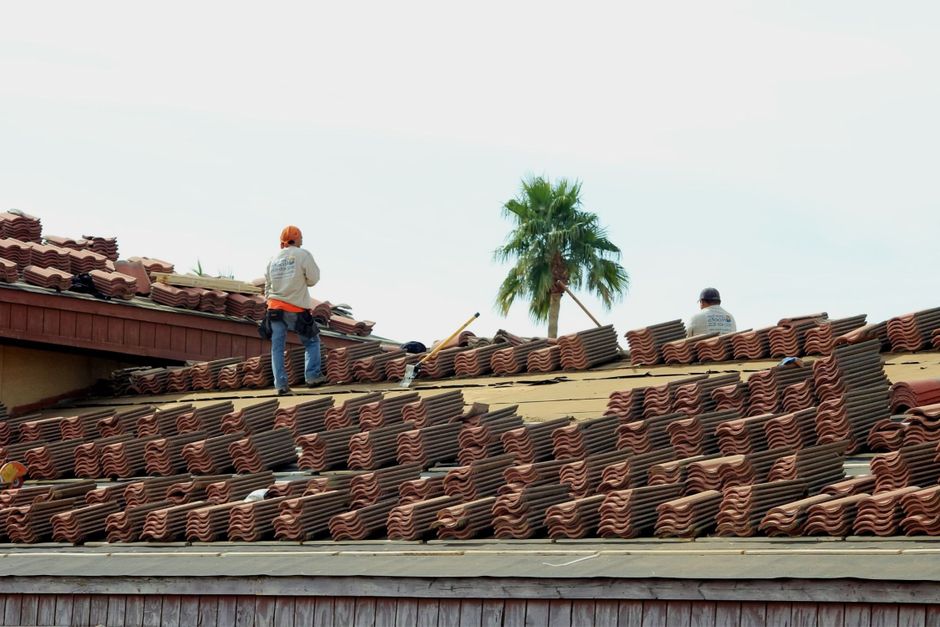
Storm & Monsoon Damage Roof Repair in Tempe, AZ
Wind, hail, and haboob debris assessed fast, with documentation ready if you need to file an insurance claim.
Monsoon season is hard on every roof type
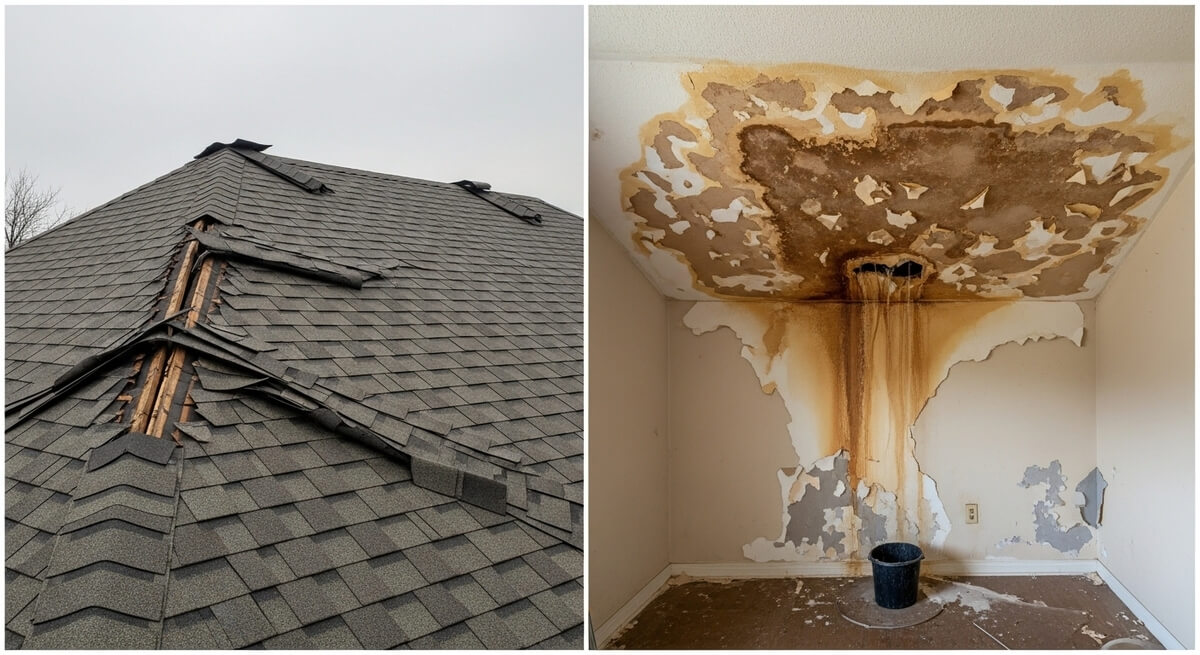
Between wind gusts that can top 60 mph, hail, and the dust and debris that comes with a haboob, Valley roofs take a real beating every summer. The damage isn't always obvious from the ground — a few displaced or cracked tiles or dented vents can look minor but leave the roof exposed to the next storm.
A good roofer does a full damage assessment after any storm, not just a glance at the obvious spots, and photographs everything they find. If you're filing an insurance claim, that documentation is ready to hand over — and many roofers will work directly with your adjuster. Same process whether it's a home in Tempe or a property elsewhere in the East Valley — see how we work for the full picture.
Get a storm damage inspectionFiling a claim for storm or roof damage?
No one can promise what your carrier will approve, but good documentation and a clear estimate keep the claim moving.
Ask for Photo Documentation
Detailed, dated photos of every area of damage, taken during the initial inspection — the kind of record most adjusters ask for.
Itemized, Adjuster-Ready Estimates
A clear line-item breakdown, not a vague lump sum — easier for your carrier to review and process.
Meet Your Adjuster On-Site
If your carrier sends someone to inspect the roof, ask the roofer to walk it with them and point out what was found.
No Pressure Either Way
The inspection and estimate are yours to use — there's no obligation to book the repair to get them.
Not sure if your policy covers roof damage in the first place? Read our guide: Does Homeowners Insurance Cover Roof Damage in Arizona?
What to check after a storm rolls through
Walk the outside of your home and look for these.
Debris on the roof or in the yard
Branches, gravel, or tile fragments on the ground often mean the roof took a hit too.
Dented vents or flashing
Hail dents on metal roof components are an easy tell that the roof surface took impact too.
A new leak right after a storm
Sudden water intrusion following high wind is a clear sign of storm damage.
Neighbors getting roof work done
If a storm hit your street, it's worth getting your own roof checked even without obvious damage.
From first call to a repaired, documented roof
Four steps, no surprises along the way.
Free Inspection
A local roofer walks the roof, documents damage with photos, and explains what they see.

Written Estimate
A clear, itemized quote — no vague line items, no pressure to sign today.
Repair
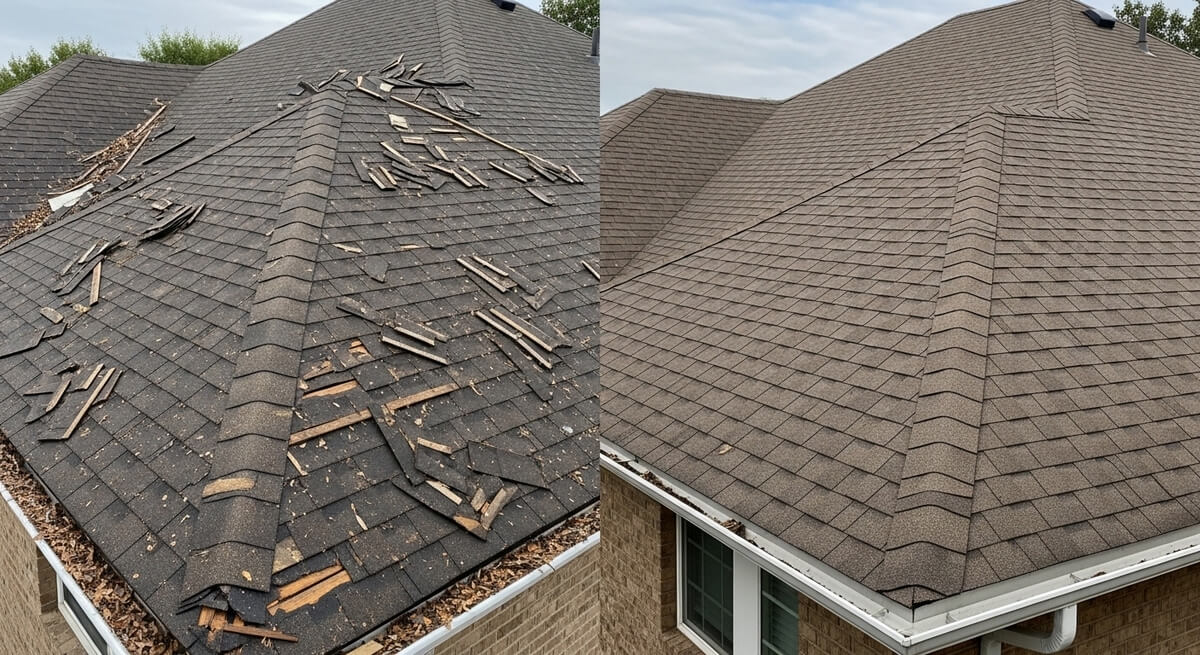
The contractor schedules the work directly with you and handles the job from start to finish.
Final Inspection
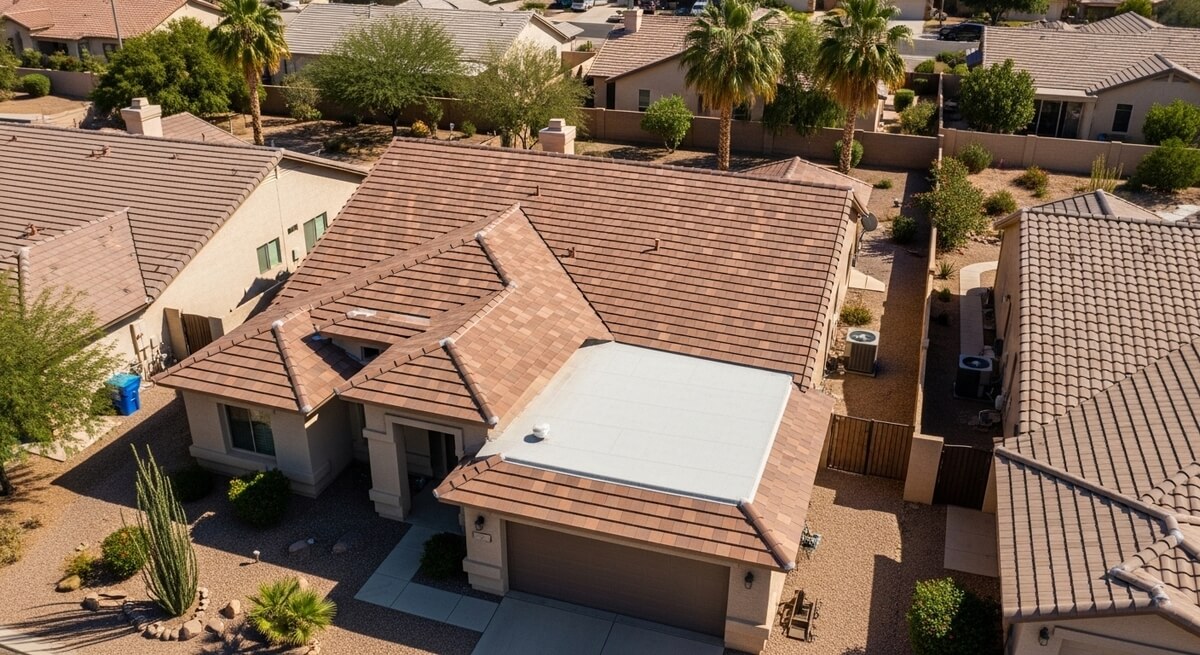
Ask the roofer to walk the finished roof with you before the job is called done.

Other ways we can help
Storm damage questions
How soon after a storm should I get my roof inspected?
As soon as it's safe to do so. Damage that isn't visible from the ground can worsen with the next rain, and insurance claims go smoother with prompt documentation.
Do you help with insurance claims for storm damage?
Yes — ask for detailed photos of the damage during the inspection; many roofers will work directly with your adjuster to support the claim.
What kind of storm damage is most common in Tempe?
Monsoon wind gusts cause the most damage — lifted or missing shingles, cracked or displaced tile, and debris impact from haboob dust storms.
When is monsoon season in Tempe, and should I inspect my roof before it starts?
Arizona's monsoon season officially runs June 15 through September 30, with the heaviest storms typically hitting in July and August. A pre-season inspection catches sun-dried sealant and loose flashing before the first big storm turns them into a leak.
Storm just came through?
Get a free damage assessment before the next one finds the same weak spot.