Flat Roof Repair in Tempe, AZ
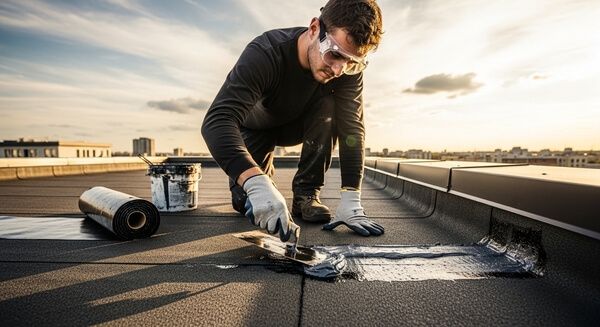
Seam repair, ponding fixes, and membrane patching — common on East Valley commercial buildings, additions, and casitas.
Flat roofs fail at the seams and the drains
Flat and low-slope roofs rely entirely on the membrane staying intact and water draining properly — there's no pitch to help water find its way off. Tempe's climate is especially hard on these systems: months of intense UV and heat dry and stiffen a membrane, then monsoon storms hit it with sudden temperature swings and heavy rain, and that expansion-and-contraction cycle is what opens seams and cracks membranes that looked fine in June. When a seam separates or a drain clogs, water sits, and standing water is the fastest way to turn a small issue into a real leak.
Roofers in our network work on TPO, EPDM, modified bitumen, and built-up (BUR) roofing — patching and re-sealing seams, correcting drainage where water is pooling, and repairing membrane damage before it spreads. For roofs with more widespread wear, ask about recoating options that extend the roof's life without a full replacement. Read more about how we work or see which East Valley cities we cover.
Get a flat roof quoteWhat to watch for on a flat roof
Flat roof issues are easy to miss until they've spread.
Ponding water 48+ hours after rain
Standing water that doesn't drain within two days signals a slope or drainage problem.
Bubbling or blistering membrane
Trapped moisture under the surface shows up as raised bubbles across the membrane.
Visible seam separation
Lifted or cracked seams are the most common entry point for water on a flat roof.
Leaks near interior drains or scuppers
Interior water damage that traces back to a roof drain usually means it's clogged or failing.
From first call to a sealed roof
Four steps, no surprises along the way.
Free Inspection
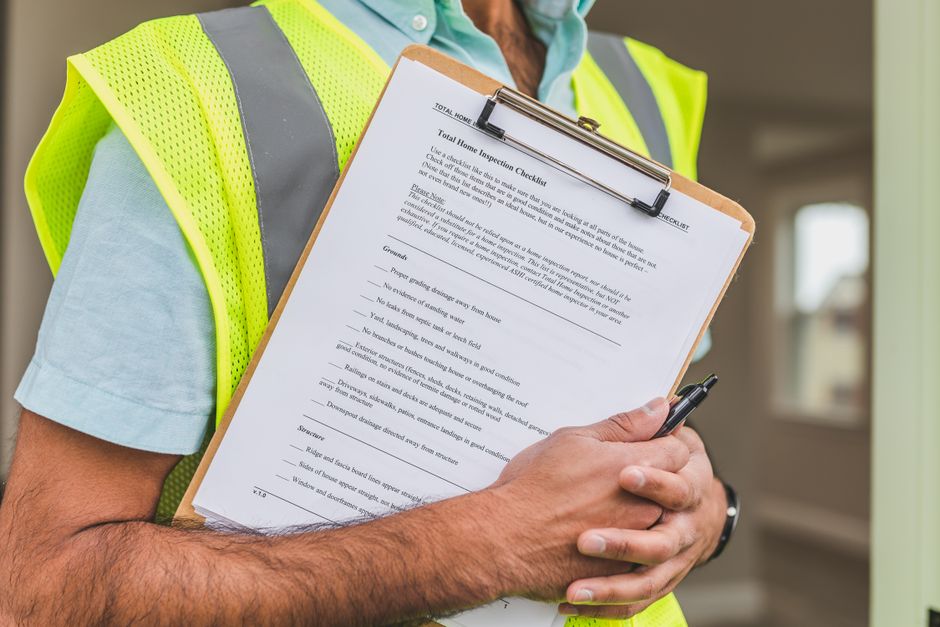
A local roofer walks the roof, documents damage with photos, and explains what they see.
Written Estimate
A clear, itemized quote — no vague line items, no pressure to sign today.
Repair
The contractor schedules the work directly with you and handles the job from start to finish.
Final Inspection
Ask the roofer to walk the finished roof with you before the job is called done.

Other ways we can help
Flat roof systems common in Tempe
| System | Common in | Most frequent repair |
|---|---|---|
| Built-up (BUR) | Older homes and commercial buildings | Cracked surface, flashing at parapets, ponding |
| Modified bitumen | Homes, additions and small commercial roofs | Seam and lap separation |
| TPO and EPDM single-ply | Commercial and newer low-slope roofs | Seam failures and punctures |
| Foam (SPF) | Homes and commercial roofs across the Valley | Worn coating, blisters, bird damage |
| Roof coatings over existing roofs | Restored older flat roofs | Coating wear and drainage problems |
Why drainage decides how long a flat roof lasts
Most flat roof leaks start where water sits or concentrates: clogged scuppers, blocked drains and low spots. Dust storms leave a layer of debris that washes into drains in the next rain, so a flat roof that drained fine in spring can pond in August.
Clearing drains after every major storm, and fixing low spots before recoating, prevents more damage than any patch. If water stands for more than two days after rain, the drainage needs attention.
What affects flat roof repair cost?
- Type of system. Each membrane uses different materials and methods.
- Wet insulation. Water trapped under the membrane has to be removed and replaced.
- Parapets and equipment. Flashing around parapets, HVAC curbs and penetrations adds detail work.
- Recoat or repair. A full recoat costs more than spot repairs but can add years to an aging roof.
Flat roof repair questions
Why does my flat roof keep ponding water?
Ponding usually means a drain is clogged or the roof has settled unevenly over time, creating a low spot. A good roofer identifies the cause, not just patches the symptom.
How long does a flat roof membrane repair last?
A properly sealed seam or patch typically lasts several years; ask the roofer for a written workmanship warranty.
Do you work on commercial flat roofs too?
Yes — flat roofs are common on East Valley retail, office, and multi-unit buildings, and work can be scheduled to minimize disruption to tenants.
Why does Tempe's weather cause more flat roof problems than other climates?
It's the swing between extremes. Months of intense sun and heat dry out and stiffen a membrane, then monsoon storms hit it with sudden temperature drops and heavy rain. That repeated expansion and contraction is what opens seams and cracks a membrane that looked fine a few months earlier — which is why flat roofs here often need attention sooner than the material's rated lifespan would suggest.
Can a new coating go over my old flat roof?
Often, if the existing roof is dry and sound. Wet insulation, open seams and drainage problems must be fixed first, or the coating will fail early.
How often should a flat roof be inspected in Arizona?
At least once a year, ideally after monsoon season, and after any major dust storm or windstorm.
Water pooling on your flat roof?
Get it looked at before the next rain adds to the problem.