
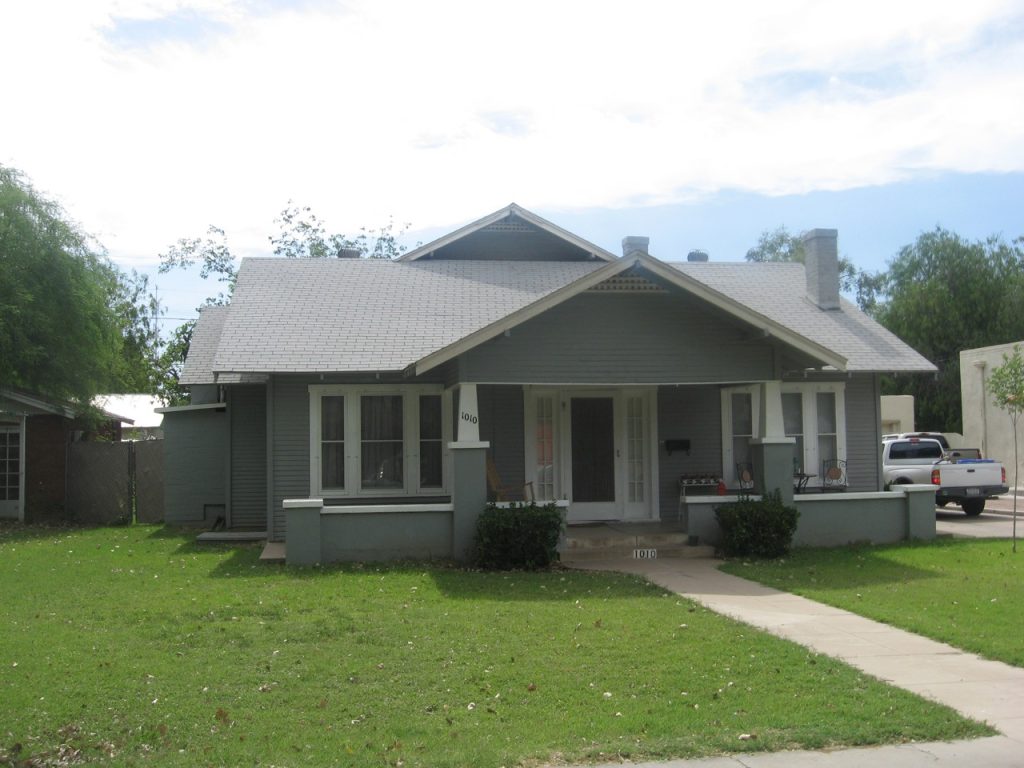
If you’re planning a home addition or remodel in Tempe, the roof deserves a decision point of its own: reroof now as part of the project, reroof later on its own, or patch only the new section. The right call depends on your current roof’s age, whether the addition changes the roofline, and whether your materials can still be matched. A roof replacement during a remodel almost always costs less and matches better than doing the two projects years apart.
Why roof replacement during a remodel is a timing decision
Any addition that extends your roofline, adds a second story, or ties a new structure into existing framing touches your roof whether you planned on it or not. If your existing roof is already past the middle of its service life, doing a full roof replacement during a remodel means one tear-off, one set of flashing details, and one warranty start date instead of two separate jobs that each carry their own disruption and cost. If your roof is newer and in good shape, a targeted tie-in by whoever is doing the addition work may be all that’s needed, with the rest of the roof left alone.
The deciding factors are usually the same three things: how many years are realistically left on the current roofing material, whether the addition changes the roof’s slope or decking, and whether the materials used on the original roof are still available to match.
Should the roof or the addition come first?
For most Tempe and East Valley projects, the sequence that avoids rework is: finalize addition plans, get a roof inspection before construction starts, then schedule the reroof (if needed) to happen at or just before the point where the addition’s new framing ties into the existing roof deck. Inspecting first matters because hidden deck damage, old flashing, or undersized ventilation found mid-construction can delay a remodel by weeks while materials are reordered.
If the addition is a single-story bump-out that doesn’t change the main roofline, the existing roof and the new section can often be scheduled independently, with the addition’s roofer simply matching into the existing field at the tie-in point.
Not sure whether your remodel needs a full reroof or just a tie-in?
Will your new roof match the old one?
This is the question that catches Tempe homeowners off guard most often, especially on concrete or clay tile roofs. Tile profiles and color runs get discontinued, and a tile made even five years ago may no longer be in production in the same shade. Asphalt shingle lines also get updated or dropped. A contractor from our network can check manufacturer availability before you finalize the addition’s roof plan, but you should plan for one of three outcomes: an exact match, a close match blended across both roof planes so the difference isn’t visible from the street, or a full reroof so the whole roof reads as one material and color.
Metal and foam roofs are generally easier to blend because they’re installed as continuous systems rather than discrete units, which is one more reason some owners choose to reroof the whole structure rather than patch a mismatch into an otherwise uniform roof.
Permits and HOA approval for roofline changes
Any addition that changes your home’s roof framing or footprint typically needs a building permit, and re-roofing itself is commonly permitted work as well. Your general contractor or roofer should be pulling these permits as a normal part of the job, not treating them as optional paperwork. If a contractor offers to skip the permit to save time or money, treat that as a red flag rather than a convenience.
Separately, if your property is in an HOA-governed community, exterior changes including roofline modifications, new roof color, or a different tile profile usually need design-review approval before work starts, even when the city permit is already in hand. Submitting both at once, rather than sequentially, is usually the faster path.
What if the existing roof also has storm damage?
Sometimes a remodel surfaces an older problem: a roof inspection ahead of an addition turns up monsoon-related damage that predates the renovation. Keep these as two separate processes. Storm damage that’s old enough to be an insurance claim should be documented and filed with your insurer on its own timeline, separate from the remodel’s budget and contract. Mixing the two, for example rolling storm-damage repairs into the addition’s general contract, can complicate a claim and may leave you paying out of pocket for repairs your policy would have covered. A local roofer can document damage for a claim independently of any remodel-related roof work.
Best time of year in Tempe to combine a reroof with a remodel
Unlike colder climates, where winter is the worst season for roofing work, Tempe’s slow season for roofing is the opposite: the June-through-September monsoon stretch, when heat and storm risk make tear-offs harder to schedule and complete safely. Late fall through winter, roughly November into February, is generally the most workable stretch for a Tempe reroof, with milder temperatures for crews and a lower chance of an open roof deck getting caught by a sudden storm. If your remodel timeline has any flexibility, scheduling the roof portion for that window is worth asking about.
Reroof now vs. reroof later: a side-by-side look
| Factor | Reroof during the remodel | Reroof as a separate, later project |
|---|---|---|
| Material matching | Easiest point to match or blend materials | Harder if the original run is discontinued by then |
| Disruption | One construction period, one cleanup | Two separate disruptions to your household |
| Flashing and tie-ins | Built as one continuous system | Requires a tie-in into an older roof later |
| Upfront cost | Larger combined project cost | Spreads cost over a longer timeline |
| Warranty | Single start date across the whole roof | Two different warranty start dates and installers |
A typical example
For example, a Tempe homeowner adding a primary bedroom suite over an attached garage might have a 14-year-old concrete tile roof elsewhere on the house. Rather than installing new tile over the addition and hoping it blends, the homeowner asks a contractor from our network to inspect the whole roof first. If the original tile is still close to the end of its practical life, reroofing the entire house alongside the addition means the new suite and the rest of the home end up with matching tile, one warranty, and no visible seam where old meets new.
Frequently asked questions
Does adding a room to my house always require a new roof?
No. If the addition doesn’t change the main roofline and your existing roof has years of life left, a tie-in by the addition’s roofer is often enough. A full reroof is usually recommended when the existing roof is already due for replacement or when the addition changes the roof’s slope or decking.
Should I reroof the whole house or just the new addition?
It depends on remaining roof life and material availability. If your current roofing material is still in production and in good condition, a matched tie-in over the addition can work. If the material is discontinued or the roof is near the end of its life, reroofing the whole structure avoids a visible mismatch.
Will a new roof section match my existing tile or shingles exactly?
Not always. Tile colors and shingle lines change over time, and an exact match isn’t guaranteed even a few years after the original installation. A local roofer can check current manufacturer stock and show you blending options before work starts.
Do I need a permit to reroof part of my house during a remodel in Tempe?
Re-roofing work and roof framing changes are both typically permitted work. Your contractor should be pulling the required permits as part of the project rather than treating it as optional.
Does my HOA need to approve a roof change along with my addition?
Many East Valley HOA communities require design-review approval for exterior changes, including new roof color, material, or roofline changes, separate from the city building permit. Check your HOA’s architectural guidelines before finalizing materials.
What if my roof has storm damage I didn’t know about until the remodel started?
Treat it separately from the remodel. Document the damage and file an insurance claim on its own timeline rather than folding it into the addition’s contract, so the claim isn’t complicated by unrelated remodel costs.
When is the best time of year to combine a reroof with a remodel in Tempe?
Late fall through winter, roughly November into February, is generally the most workable window for Tempe roofing work, since the summer monsoon season brings heat and storm risk that make an open roof deck riskier to schedule.
How do I find a roofer just for the roofing portion of my remodel?
You can request a free inspection quote focused only on the roof scope, even if a separate general contractor is handling the rest of the addition. Ask whoever you hire for their Arizona ROC license number and verify it before signing anything.
A roof replacement during a remodel is easiest to get right when it’s planned alongside the addition rather than reacted to after the fact. For related reading, see our guides on tile roof repair and roof replacement, or request a free inspection quote to get the roof portion of your project scoped before you finalize your remodel plans. You can also call (877) 689-3492 to be connected with a local roofer during staffed hours, 6 AM-6 PM Arizona time, seven days a week.