
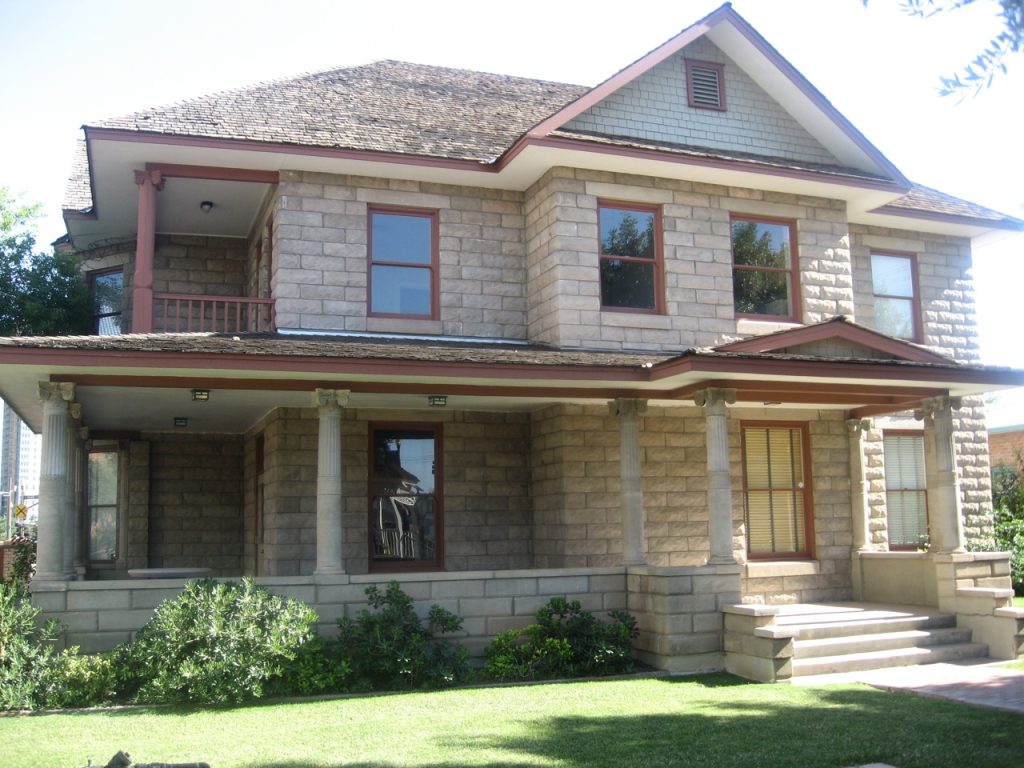
Budgeting for a roof replacement means figuring out, years in advance, roughly what the job will cost and setting aside a fixed amount every month so the expense never has to land as a single emergency bill. For most Tempe homeowners, that planning should start while the current roof still has several good years left — not after a leak forces the decision on someone else’s timeline.
Why budgeting for a roof replacement matters in Tempe, AZ
Roofs in the Tempe and East Valley area tend to wear out faster than the national averages printed on shingle or tile warranties. Intense summer UV exposure and repeated monsoon-season heat-and-moisture cycling break down roofing materials from the top down, so a roof rated for 20-25 years elsewhere may need serious attention well before that mark here. Unlike smaller repairs, a full roof replacement is a single large expense rather than a string of small ones, which makes it one of the few home costs worth planning years ahead instead of handling reactively.
A homeowner who starts saving early also keeps more control over the process: time to collect multiple bids, compare materials, and schedule the work during a slower season for contractors instead of competing for crews right after a storm.
How much should you plan to spend?
Replacement costs for a typical single-family home in the Phoenix-Tempe area commonly fall in the $7,000-$15,000-plus range, depending on roof size, material (asphalt shingle, tile, or a flat foam/built-up system), and whether any decking needs replacing once the old roofing is torn off. Tile and foam systems generally price higher per square than asphalt shingle but can last longer, which changes the math on how much to save and how often. Because bids on the same job can vary by a wide margin, it’s worth getting two or three written estimates from local roofers before locking in a savings target rather than budgeting off a single number.
| Factor | Save ahead with a sinking fund | Wait and pay or finance when it fails |
|---|---|---|
| Monthly budget impact | Small, predictable amount set aside each month | None now, then a large lump sum or loan payment later |
| Total cost over time | Principal only, plus a modest inflation buffer you control | Often higher once loan interest or rush pricing is added |
| Contractor negotiating position | Time to compare several bids calmly | Rushed into whichever roofer can start soonest |
| Flexibility if plans change | Unused savings can roll into the next home project | Locked into a loan term once work begins |
Want a current price range for your specific roof before you set a savings target?
How a roof-replacement sinking fund works
A sinking fund is simply a savings bucket earmarked for one known future expense, separate from an emergency fund that covers surprises. The basic math: take your estimated replacement cost, divide it by the number of months left before you expect to need the work, and save that amount every month. Because labor and material prices tend to drift upward, many homeowners add a small yearly increase — even 3-5% — to the monthly contribution so the fund doesn’t fall behind rising costs.
It helps to keep the fund in its own labeled savings account rather than mixed into general savings, since a visible, separate balance makes it easier to track progress and resist dipping into it for unrelated expenses.
When should you start, based on your roof’s age?
A good rule of thumb is to start active saving once your roof has used up roughly three-quarters of its realistic lifespan for this climate, rather than waiting for the manufacturer’s full rated lifespan on the box. For an asphalt shingle roof, that often means starting the savings plan in year 10-15; for tile, which typically outlasts the underlayment beneath it, the trigger is often an aging or previously repaired underlayment rather than the visible tile itself. A periodic inspection from a local roofer — not just a visual check from the ground — is the most reliable way to confirm where your specific roof stands and adjust your timeline.
What a multi-year budget looks like in practice
For example, consider a hypothetical Chandler homeowner with a 14-year-old asphalt shingle roof who gets an inspection and a rough replacement estimate of $10,000, with a roofer suggesting 5-6 years of useful life remain. Dividing $10,000 by 66 months works out to about $150 a month; adding a modest annual increase for rising costs might push that closer to $160-$170 a month by year five. By the time a roofer confirms replacement is actually due, the homeowner has the cash in hand and time to compare bids instead of scrambling for financing.
A property manager overseeing several rental homes in Mesa or Gilbert can apply the same math per property, staggering each roof’s savings timeline by its own age and condition rather than treating the whole portfolio as one expense. For a broader multi-building or community approach, HOA boards often use a related but larger-scale version of this planning — see our guide to HOA community roof replacement planning for how reserve studies and special assessments compare to individual sinking funds.
What if you need to replace it before you’ve saved enough?
If a storm, a sudden leak, or an inspection finding moves up the timeline before your fund is full, a few options can bridge the gap: a contractor-offered payment plan, a personal loan, or a home equity line of credit. Each comes with its own interest cost and terms, so compare the total cost of borrowing against simply replacing a smaller portion now (such as a damaged section) and continuing to save toward the full job.
Homeowners insurance typically only covers roof damage tied to a covered event, such as wind or hail, not ordinary wear from age and sun exposure — so don’t count on a policy to replace routine budgeting. Whichever contractor you eventually hire, verify their Arizona ROC license number and ask for a current certificate of insurance before signing anything; a routine inspection is also the easiest way to confirm whether you’re dealing with an emergency or something that still fits your original timeline.
Should you get a roof replacement quote years in advance?
An early estimate is useful for setting your initial savings target, but treat any quote older than 12-18 months as a rough guide rather than a locked-in price, since material costs and labor rates shift over time. Plan to request a fresh estimate every year or two as your target date approaches, and re-check it immediately after any hailstorm or high-wind event that could have shortened your roof’s remaining life.
Ready to compare current pricing for your roof type and size?
Frequently asked questions
How much should I budget for a full roof replacement in Tempe, AZ?
Most single-family homes in the Phoenix-Tempe area fall in the $7,000-$15,000-plus range depending on size, material, and any decking repair, but the only reliable number for your specific roof comes from a written estimate from a local roofer.
What is a sinking fund, and how does it apply to a roof replacement?
A sinking fund is money set aside specifically for one known future expense. For a roof, you divide the estimated replacement cost by the months remaining until you expect to need it, save that amount monthly, and increase it slightly each year to keep pace with rising prices.
How much should I set aside each month for a future roof replacement?
It depends on your estimated cost and timeline, but dividing a current replacement estimate by the number of months until you expect to need the work gives a reasonable starting monthly figure, adjusted upward slightly each year for inflation.
When should I start actively budgeting instead of just maintaining my roof?
A common guideline is to start once your roof has used up roughly three-quarters of its realistic lifespan for this climate, which an inspection from a local roofer can help pinpoint more accurately than counting years alone.
Should I get a roof replacement estimate years before I actually need the work?
Yes, an early estimate helps set a savings target, but treat quotes older than 12-18 months as rough guides and get a fresh one as your target date gets closer or after any major storm.
What if a leak or storm forces a replacement before I’ve saved enough?
Options include a contractor payment plan, a personal loan, or a home equity line of credit; compare the total cost of borrowing against replacing just the damaged section now while you continue saving toward the full job.
Does homeowners insurance cover roof replacement, so I don’t need to save for it separately?
Typically insurance only covers damage tied to a specific covered event like wind or hail, not routine wear from age and sun exposure, so a dedicated savings plan is still worth having regardless of your policy.
How is budgeting for a rental property roof different from a primary home?
The math is the same, but a property manager with multiple rentals usually staggers each roof’s savings timeline separately based on that property’s age and condition rather than using one combined estimate.
A clear multi-year plan turns one of the largest home expenses in Tempe into a manageable monthly line item instead of a crisis. If your roof’s timeline is uncertain, a roof inspection is the fastest way to get a realistic number to budget around, and if you’re already past the planning stage, see our guide on calculating the cost-per-year of your roof’s remaining life to decide between repairing now and replacing on schedule. Call (877) 689-3492 to be connected with a local roofer for a free estimate, or visit our contact page any time.
Related reading: if a home addition or remodel is part of your plans, see our guide on roof replacement during a remodel or addition for how to budget and schedule both together.
Related reading: HOA boards budgeting for a community-wide project should also see our guide on bulk pricing for HOA roof replacement for how grouping multiple roofs into one contract affects the per-building rate.