
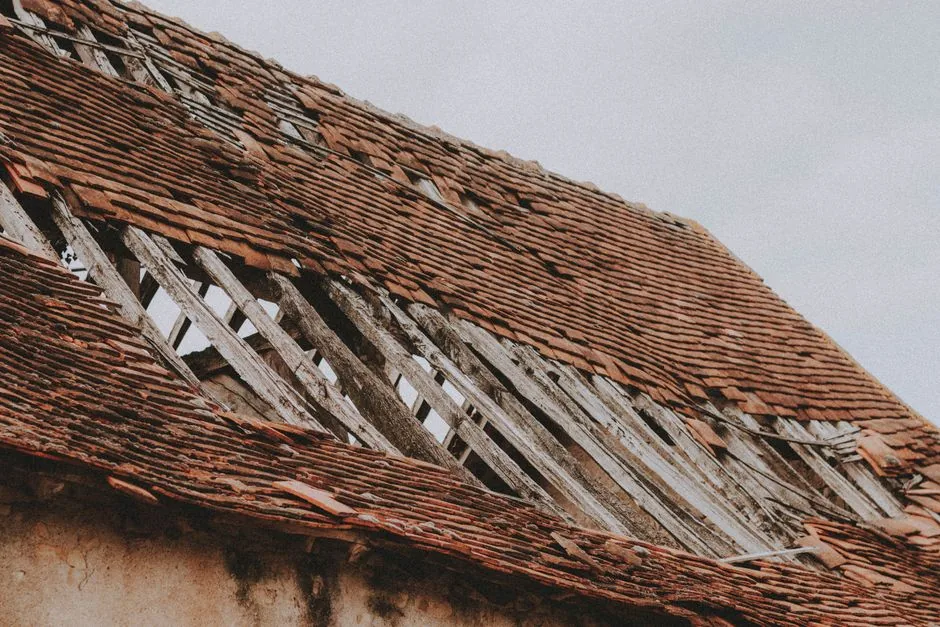
Monsoon storms in the Valley move fast — a haboob wall of dust, wind gusts over 50 mph, and heavy rain can all hit within the same hour. What a homeowner does in the sixty minutes right after matters almost as much as the repair itself, both for keeping a contained problem from becoming a bigger one and for how smoothly an insurance claim goes if one is needed.
This isn't a general storm-prep guide — it's a practical, in-order checklist for the moment you realize your roof took damage: what to do first, what to deliberately skip, how the timeline affects an insurance claim, and how first-hour priorities shift depending on whether you have a tile, shingle, flat, or metal roof.
Why the first hour matters
Arizona's dry heat is deceptive after a storm. A leak that would show up immediately in a humid climate can sit invisible here for days, because surface moisture evaporates fast even while water has already tracked into insulation or framing. The practical effect: what looks like a small, cosmetic problem in the first hour can already be a bigger one underneath, which is exactly why speed and documentation both matter more than they might seem to in the moment.
Do this first, in order
- Check for immediate safety hazards. Downed power lines, structural damage, or a partially collapsed section means staying off the property entirely and calling emergency services before anything else — no roof or interior concern outranks a safety hazard.
- Photograph the damage from the ground. Use a phone camera from a safe distance — driveway, street, upstairs window — to capture missing shingles, displaced tile, or visible holes before anything is moved or covered. Wide shots and close-ups both help; an adjuster or repair estimator will want both.
- Check inside for active leaks. Place buckets under any dripping ceiling and move furniture or electronics out of the path of water. Check closets and corners too, not just the room directly below the visible damage — water travels sideways along framing before it drips straight down.
- Call for emergency tarping if there's an active leak or exposed roof deck. Emergency roof repair exists specifically for this — a properly secured tarp stops the bleeding until a full repair can be scheduled, and it needs to be installed correctly to survive the next wind gust rather than pulling loose and causing more damage.
- Photograph the tarp once it's in place. Insurance adjusters look for evidence that reasonable steps were taken to prevent further damage after the storm — a dated photo of the tarp is part of that record.
What to skip
- Don't climb onto the roof yourself. Wet tile and shingle are far more slippery than dry roofing, and storm debris creates additional trip hazards. This is the single most common way storm-damage situations turn into injuries.
- Don't wait to see if it "dries out on its own." Arizona's heat can mask an active leak fast, but the water has already tracked into insulation, drywall, or framing by the time surface signs disappear.
- Don't sign anything from a door-to-door storm chaser. Every monsoon season brings out-of-state crews canvassing damaged neighborhoods with same-day contracts. Verify Arizona ROC licensing before agreeing to any repair.
- Don't run a ceiling fan or the HVAC system in a room with active water intrusion. Circulating air over standing water or a wet ceiling can spread moisture into drywall and framing beyond where it originally landed.
The homeowners who avoid a bigger bill are the ones who get a tarp on within hours, not the ones who wait for a "convenient" time to call.
Active leak or storm damage right now? We prioritize emergency calls same day, day or night.
Call (602) 782-5490First-hour priorities by roof type
The general checklist above applies to every roof, but what you're actually looking for in that first walk-around and photo pass changes with the material.
Tile
Check for individual cracked or displaced tiles rather than widespread damage — tile roofs typically fail at specific points, not across the whole field. A single shifted tile exposes the underlayment beneath it, so that's the priority spot for a photo and, if it's leaking, a tarp.
Shingle
Look for missing shingles, curled edges, and granules collecting in gutters or on the ground near downspouts — all signs of wind lift. An exposed patch of bare roof deck after a shingle blow-off is one of the more urgent shingle roof repair situations for same-day tarping.
Flat and foam
Check for standing water and any visible tear or puncture in the coating. A punctured membrane on a flat or foam roof can let water reach the substrate underneath even without an obvious hole, so a soft or spongy spot underfoot indoors (on the ceiling below) is worth documenting even if the roof surface itself looks mostly fine.
Metal
Look for lifted panel edges and listen for a loose panel flapping in the wind — that's a fastener that's worked free and needs attention before the next gust makes it worse. Dents are usually cosmetic and can wait for a scheduled metal roof repair visit unless a seam has visibly separated.
Filing an insurance claim for storm damage
Most homeowner policies in Arizona cover wind and hail damage, but the claim moves faster with clear before-and-after documentation and a written, itemized repair estimate rather than a verbal quote. Our storm and monsoon damage assessments include photo documentation specifically formatted to support a claim, whether the damage is wind-lifted shingles, cracked tile from hail, or a downed tree limb. Confirm your specific deductible and coverage details directly with your insurer or agent — policies vary enough that a general rule isn't a substitute for checking your actual policy.
A claim moves smoother with a simple documentation set: dated photos of the damage before any repair, photos of the temporary tarp once it's placed, a written itemized estimate rather than a verbal number, and — if you have it — a rough note of when the storm hit relative to when you noticed the damage. None of that requires special equipment, just a phone camera and a few extra minutes before the repair crew arrives.
Common first-hour mistakes that turn a repair into a bigger bill
- Treating a small leak as "not urgent." A slow drip today is often a bigger leak after the next storm, once the same weak point has had another chance to let water through.
- Covering damage with a makeshift fix before photographing it. A tarp thrown on without a "before" photo first can leave an insurance claim short on the documentation an adjuster wants to see.
- Accepting the first same-day contractor without checking licensing. Storm season brings legitimate crews and opportunistic ones side by side — a five-minute ROC license check avoids a much more expensive mistake.
- Assuming a dry ceiling means no damage. Arizona heat evaporates surface moisture fast; a dry-looking stain today doesn't mean the water didn't already reach the insulation or decking underneath.
Repair timeline after the storm passes
Once the immediate danger is addressed and a tarp is in place, a full inspection typically happens within a day or two, with an itemized estimate delivered the same visit. Straightforward repairs — a section of missing shingles, a handful of cracked tiles — are usually completed within a few days. If the storm exposed a bigger underlying problem, like widespread underlayment failure, that conversation happens before any work starts, not after, and replacement only enters the conversation once the actual scope is confirmed.
DIY vs. professional — what's actually safe to do yourself
There's a real line between reasonable homeowner steps and climbing onto a wet, damaged roof. Safe to do yourself: ground-level and window photos, clearing an obviously blocked gutter from a stable ladder if it's safe to reach, placing buckets under an active drip, and calling for emergency service the same day. Better left to a licensed crew: any tarping that requires roof access, walking the roof surface to assess damage, and diagnosing whether underlayment or decking was compromised — none of that is safely or accurately done from the ground, and an improperly secured tarp can pull loose in the next wind gust and cause more damage than it prevents.
A generic big-box tarp and a few bricks isn't the same as a properly fastened emergency tarp — the difference shows up the next time wind gusts pick up before the permanent repair happens.
What happens when an emergency crew arrives
Knowing what to expect makes the first hour less stressful. A same-day emergency call typically follows the same sequence: a quick safety check of the affected area, a walk of the visible damage with photos taken for the record, immediate tarping or securing of any exposed or leaking section, and a conversation about next steps before the crew leaves — including a rough estimate of when the full inspection and permanent repair will happen. Nothing about the emergency visit locks you into a specific repair contract; it's specifically scoped to stop active damage, with the full estimate coming separately once the scope is clear.
Emergency response across the Valley
Storm damage doesn't wait for business hours, and neither do we. We field emergency calls across Tempe, Mesa, Chandler, Scottsdale, Phoenix, Gilbert, Ahwatukee, and Guadalupe — the specific first-hour priorities above apply the same way regardless of which side of the Valley you're on, though HOA communities in Scottsdale and Chandler sometimes add a short material-matching step once repair (not just tarping) begins.
Property managers and landlords: the same clock, more people to notify
For a rental property or an HOA-managed community, the first-hour checklist doesn't change — but the notification list does. Tenants need a clear, fast channel to report visible damage or an active leak, and a property manager juggling multiple units after a wide storm benefits from triaging by severity: active leaks and exposed roof deck first, cosmetic damage on a waiting list. Commercial and multi-unit roof repair follows the same emergency-first sequence, just scaled across more addresses.
Final thoughts
The damage itself is usually out of your control. What happens in the hour after it isn't. A calm, in-order response — safety first, then documentation, then a professional tarp if there's active water — consistently produces a smoother claim and a smaller final repair than waiting to see how bad it gets.