
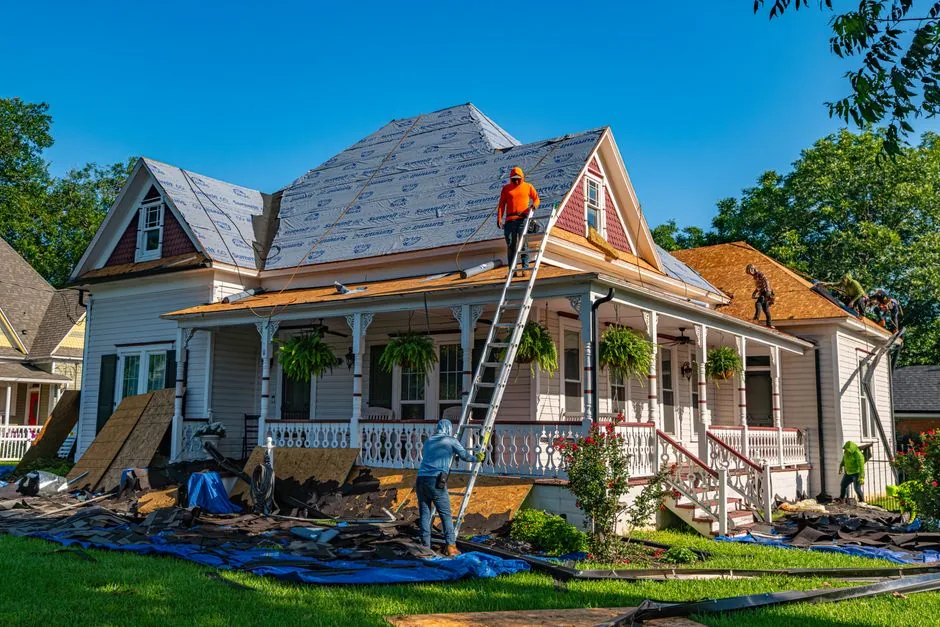
Roof Underlayment Replacement in Tempe, AZ
Your tile or shingle can stay right where it is — it's the waterproofing layer underneath that's reached the end of its life.
4.9★
Google Rating, 187+ reviews
14 yrs
Serving the Tempe area
2,400+
Projects completed
20-25 yrs
Typical underlayment lifespan
Your roof surface and its underlayment age on two completely different timelines
This is the detail that trips up most homeowners: concrete and clay tile can last 40-50 years or longer, because it's built to take direct UV and weather. Underlayment sits underneath, sheltered from the sun but still exposed to heat cycling and moisture over decades — and it typically needs attention around the 20-25 year mark, sometimes half the tile's expected life.
That gap is exactly why a roof can develop a leak while every tile on it still looks completely intact. If you've had a leak repaired and it came back somewhere else on the same roof, or your tile repair calls keep recurring, worn-out underlayment underneath sound tile is very often the actual cause.
Get a free underlayment checkHow underlayment failure actually shows up
Roof is 20-25+ years old
Right in the window where underlayment wears out, regardless of how the surface looks.
A leak with no visible tile damage
Water intrusion despite the tile above the stain looking completely undamaged.
Leaks that keep changing location
A new stain in a different spot each time points to underlayment failing broadly, not one damaged tile.
Repeated repair calls
Multiple tile repair visits that don't stop the leaking usually mean the problem is underneath, not on the surface.
Felt vs. synthetic underlayment
| Factor | Felt (traditional) | Synthetic |
|---|---|---|
| Cost | Lower | Higher |
| Heat resistance | Degrades faster under sustained heat | Holds up better to Arizona heat cycling |
| Weight | Heavier | Lighter, easier to handle on a reroof |
| Typical lifespan here | Shorter end of the 20-25 year range | Longer end of the range |
Our underlayment replacement process
Your tile comes off, gets reused, and goes back on over a fresh waterproofing layer.
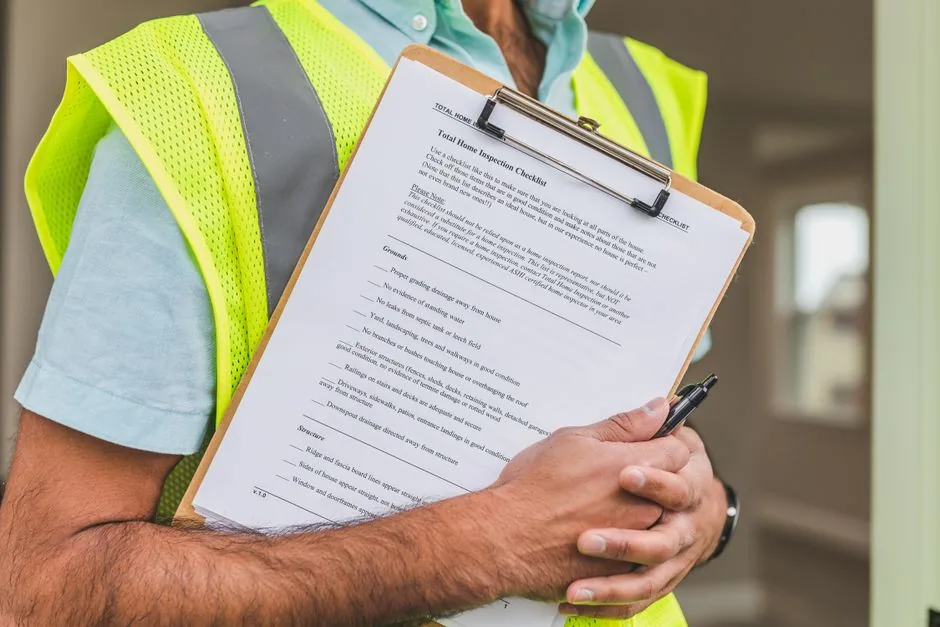
Free Inspection
We check the underlayment condition directly, not just the tile surface above it.
Written Estimate
An itemized quote covering underlayment material, labor, and a tile-breakage contingency.

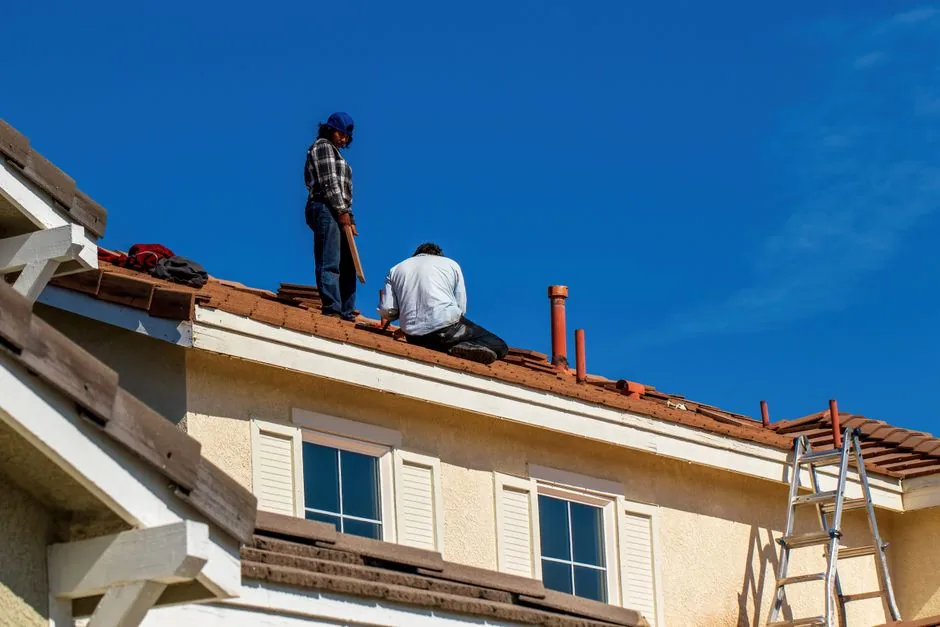
Tile Lift & New Underlayment
Tile carefully removed and set aside, new underlayment installed across the roof deck.
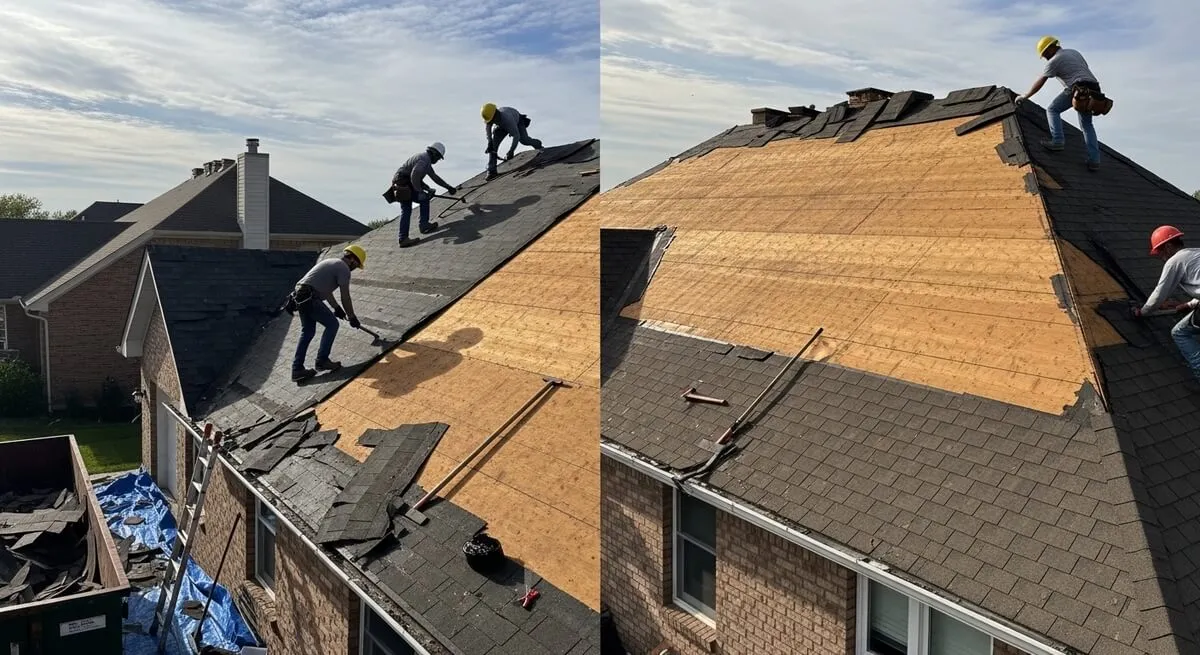
Tile Reset & Final Walkthrough
Your tile goes back on, and we walk the finished roof with you to confirm the match.
What moves the price on underlayment replacement
This job is materially cheaper than a full tile roof replacement, since your existing tile is reused rather than sourced new. What moves your specific number:
- How much of the roof needs it — a full-roof job costs more than one affected section.
- Felt vs. synthetic underlayment — synthetic costs more upfront but holds up better to Arizona heat cycling.
- Tile profile — some profiles are more time-consuming to lift and reset without breakage.
- Deck condition — if moisture reached the decking, that repair is addressed as a documented add.
- Tile breakage — any tile that doesn't survive the process is sourced and matched, priced as part of the estimate.
See our tile roof replacement page for how this compares to a full reroof, or our full cost guide for pricing across every material.
Other ways we can help
Tile-heavy neighborhoods where this comes up most: South Tempe and Ahwatukee, plus Mesa, Chandler, Scottsdale, Gilbert, Phoenix, and Guadalupe.
Underlayment replacement questions
How can underlayment fail if my roof surface still looks fine?
Tile and shingle are built to handle UV and weather directly, so they visibly age slowly. Underlayment sits underneath, protected from the sun but exposed to heat cycling and moisture over decades, and it degrades on its own timeline — one that's often shorter than the surface material's.
Does underlayment replacement mean a full reroof?
No. On a tile roof, the tile is carefully lifted, set aside, and reinstalled once new underlayment is down — the tile itself usually doesn't need replacing. That makes this a materially different, less expensive job than a full reroof.
How many tiles typically break during underlayment replacement?
Some breakage is normal and accounted for in the estimate, but the goal is to reuse the majority of your existing tile. We source matching replacement tile for anything that doesn't survive the process.
How long does underlayment actually last in Arizona?
Most underlayment needs attention around 20-25 years, noticeably shorter than concrete or clay tile's 40-50+ year lifespan. Sustained heat cycling is the main reason it wears out faster here than in milder climates.
Is underlayment replacement cheaper than a full roof replacement?
Yes, since it reuses the existing tile or shingle instead of sourcing an entirely new roofing material. It's a meaningfully smaller job than tearing off and replacing the surface material too.
Can underlayment be replaced section by section instead of the whole roof?
Sometimes, if failure is isolated to one area and the rest of the roof tests sound. But underlayment on one roof plane is usually close in age to the rest, so a section-by-section approach only makes sense when an inspection confirms the remaining underlayment still has real life left.
Not sure if it's the tile or the underlayment?
Get a free inspection that checks what's actually underneath, not just the surface.